
Blackstone Griddle Temperature Guide: Every Food, Every Heat Zone
What changed: Added pork tenderloin and al pastor temperatures and corrected bacon to 325-350°F.
Getting the temperature right is the single biggest factor in flat-top cooking. Too hot and eggs turn rubbery, pancakes burn before they cook through, and fish sticks to the surface. Too cool and you get steam instead of sear, and burgers come out gray instead of golden.
This guide gives you exact surface temperatures for every food category, explains how to set up heat zones across your burners, and covers how to actually measure your griddle temperature, not just guess by knob position.
Why Knob Position Doesn’t Tell You Enough
Every Blackstone runs a little differently. Two griddles set to “medium” can have surface temperatures 50°F apart depending on wind, ambient temperature, the age of the unit, and how recently the griddle was seasoned. That’s why the standard advice (“cook bacon on medium-high”) leaves a lot of room for error.
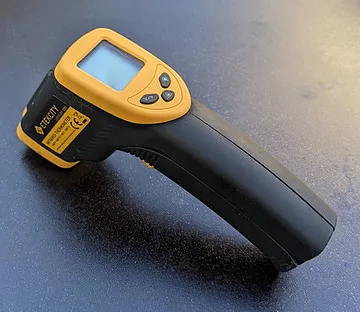
An infrared thermometer (also called a laser or IR thermometer) is the tool that changes this. Point it at the cooking surface and you get the actual temperature in under a second. They run $15-$30 and are worth every penny. I keep one next to the griddle every cook. See our infrared thermometer pick in the accessories guide.
If you don’t have one yet, the water drop test gives a rough read:
- Water steams and evaporates slowly → ~300°F (low-medium)
- Water beads and dances across the surface → ~350°F (medium)
- Water pops and disappears instantly → ~400°F+ (medium-high to high)
Blackstone Heat Zones Explained
Before diving into food-specific temps, understand what each heat level actually means on a flat-top:
| Heat Level | Surface Temp | Use It For |
|---|---|---|
| Warm | 200-250°F | Holding finished food, toasting buns |
| Low | 250-300°F | Sweating onions, melting cheese under a dome |
| Medium-Low | 300-325°F | Eggs, omelets, delicate items |
| Medium | 325-375°F | Bacon, pancakes, french toast, grilled cheese, quesadillas |
| Medium-High | 375-425°F | Chicken, fish, vegetables, hashbrowns |
| High | 425-500°F | Smash burgers, thin steaks, fried rice, stir-fry |
| Very High | 500°F+ | Initial seasoning, surface cleaning: not for cooking |
The key advantage of a multi-burner Blackstone is running multiple zones simultaneously. Left side on high for searing, right side on low for holding: that’s what makes griddle cooking faster and more efficient than any other outdoor cooking method. For zone setups by meal type, see the Blackstone heat zone guide.
Interactive Tool
What Temperature Should It Be?
Pick a food to get the exact surface temp, the knob level, and the technique that makes it work.
Prefer to scan everything at once? The full tables (with a few extra notes) are below.
Temperature by Food Category
Breakfast
| Food | Surface Temp | Notes |
|---|---|---|
| Eggs (fried, over easy) | 300-325°F | Lower than you think: high heat toughens whites |
| Scrambled eggs / omelets | 300-325°F | Constant movement, pull off before fully set |
| Pancakes | 350-375°F | Flip when bubbles form and edges look dry |
| French toast | 325-350°F | Medium heat to cook through without burning |
| Bacon | 325-350°F | Medium heat renders the fat slowly, so the edges don’t burn before the meat cooks |
| Sausage links / patties | 350-375°F | Medium heat so the inside cooks through before the outside burns |
| Hash browns | 375-425°F | Hot surface = crispy crust; don’t move them early |
| Hash / breakfast potatoes | 375-400°F | Dice small, let them sit undisturbed for crust |
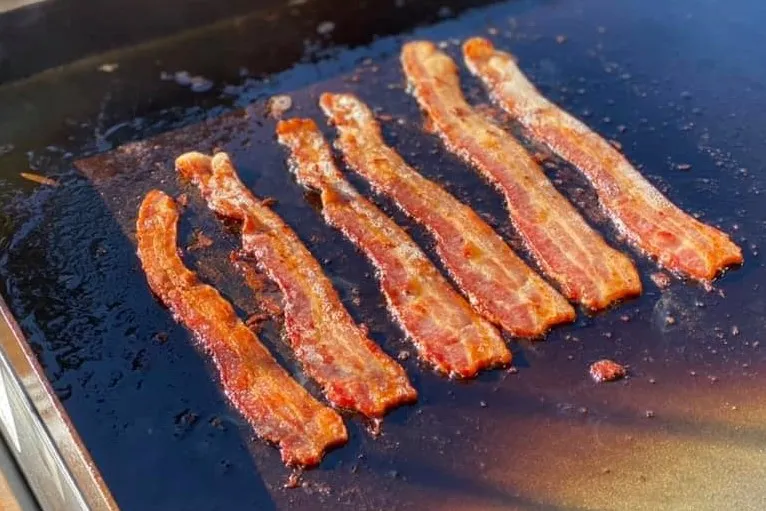
Pro tip: Cook eggs last. Once the sausage and hash browns come off, let that zone drift down to 300-325°F before cracking eggs. Trying to hold 300°F from the start is harder than letting a hot griddle cool down.
Burgers & Beef
| Food | Surface Temp | Notes |
|---|---|---|
| Smash burgers | 425-475°F | Needs ripping heat for the Maillard crust |
| Standard burgers (¾” thick) | 375-425°F | 3-4 min per side, internal temp 160°F |
| Ground beef (tacos, crumbles) | 375-425°F | Break apart constantly for even browning |
| Thin steaks (skirt, flank) | 450-500°F | Sear fast: 2 min per side max |
| Thicker steaks (ribeye, NY strip) | 400-450°F | Sear at high, finish at medium (350°F) to temp |
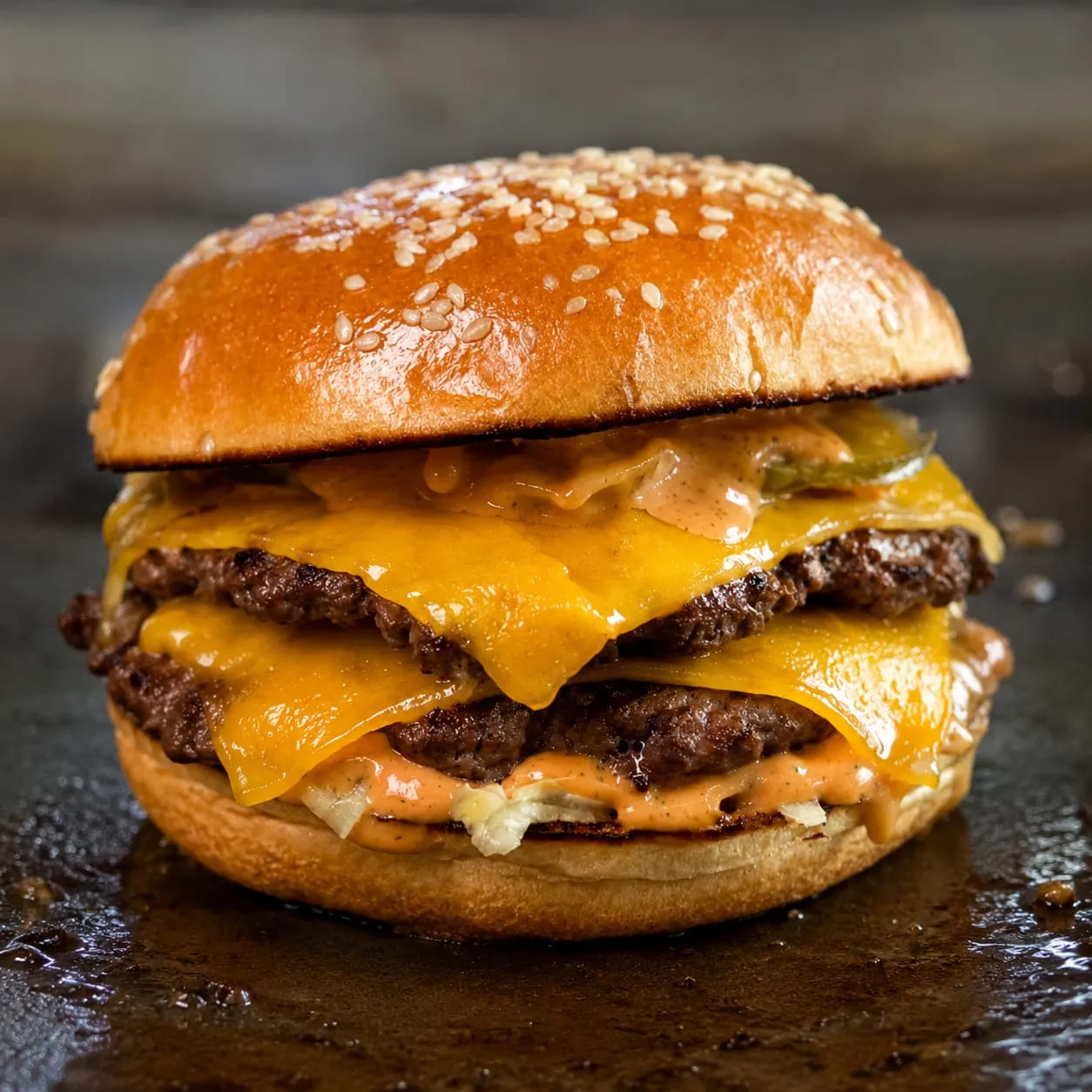
The Maillard reaction (the browning that creates flavor) begins around 280-330°F but accelerates significantly above 375°F. For smash burgers, you want the griddle as hot as possible so the smash immediately creates a crust before the meat steams.
Internal doneness temperatures for beef:
- Medium-rare: 130-135°F
- Medium: 140-145°F
- Well done: 160°F+
Chicken & Pork
| Food | Surface Temp | Notes |
|---|---|---|
| Chicken breast (thin) | 375-400°F | Pound to even thickness; internal temp 165°F |
| Chicken thighs | 375-400°F | More forgiving: fat keeps them moist |
| Chicken fajita strips | 400-425°F | High heat, constant movement |
| Pork chops | 375-425°F | Sear at 425°F, finish at 350°F; internal 145°F |
| Pork tenderloin | 350-400°F | Turn to brown every side; pull at 140°F and rest to 145°F |
| Thin-sliced pork (al pastor) | 425-450°F | Hot and fast so the edges char; internal 145°F |
| Hot dogs / brats | 325-375°F | Low-medium: they burn fast on high heat |
| Sausage links | 350-375°F | Roll frequently to brown all sides evenly; fresh links to 160°F |
Whole cuts of pork (chops, tenderloin, sliced shoulder) are done at 145°F internal. Fresh sausage and ground pork need 160°F. The pork chops, pork tenderloin, and tacos al pastor recipes walk through each one.
Seafood
| Food | Surface Temp | Notes |
|---|---|---|
| Salmon fillets | 350-400°F | Skin side down first; internal temp 125-130°F |
| Shrimp | 375-425°F | 1-2 min per side max: they overcook fast |
| Fish fillets (tilapia, cod) | 350-375°F | Medium heat prevents sticking |
| Scallops | 400-425°F | Hot, dry surface; don’t move until they release |
Oil the food rather than the griddle for seafood. It gives you better control over the cooking surface and reduces sticking.
Vegetables
| Food | Surface Temp | Notes |
|---|---|---|
| Onions (caramelized) | 300-325°F | Low and slow: 20+ minutes for real caramelization |
| Onions / peppers (fajita style) | 375-425°F | High heat, toss frequently |
| Mushrooms | 375-400°F | Don’t crowd: they steam instead of sear |
| Zucchini / squash / asparagus | 350-400°F | Medium-high, slice thin for quick cook |
| Broccoli / Brussels sprouts | 375-425°F | Parboil first if you want tender-inside results |
| Corn kernels | 400-425°F | High heat for char |
| Diced potatoes | 375-425°F | Cover with dome to steam through, then uncover to crisp |
Sweating vs. sautéing: Sweating onions or mushrooms at 250-300°F draws out moisture and sweetness without browning. Sautéing at 375°F+ browns and crisps. Know which result you’re after before you set your temp.
Rice, Noodles & Everything Else
| Food | Surface Temp | Notes |
|---|---|---|
| Fried rice | 425-475°F | Needs high heat and pre-cooked, day-old rice |
| Stir-fry | 425-475°F | Keep food moving constantly |
| Quesadillas | 325-375°F | Medium heat: cheese needs time to melt |
| Grilled cheese | 325-350°F | Low-medium; lid/dome helps melt cheese |
| Frozen french fries | 375-400°F | Spread thin, flip every 3-4 minutes |
| Pasta (pan-finish) | 350-375°F | Toss with sauce ingredients to finish and coat |
| Pizza (flat dough) | 375-400°F | Dome is essential for melting toppings |
How to Preheat Your Blackstone Correctly
- Ignite all burners on high and let the griddle heat for 10-15 minutes with the hood open (if you have one).
- Check the surface temperature with an infrared thermometer across several spots, center and edges will differ.
- Set zones by adjusting individual burners to your target temperatures.
- Wait 2-3 minutes after adjusting before cooking, the surface needs time to equalize.
Cold spots near the edges and hot spots near the burners are normal. Learn where your griddle runs hot and use those zones intentionally.
Preheated a full 15 minutes and the surface still won’t reach temperature? That’s a propane problem, not patience. The Blackstone troubleshooting guide starts with the two-minute regulator fix that solves most weak-heat complaints.
Multi-Zone Cooking in Practice
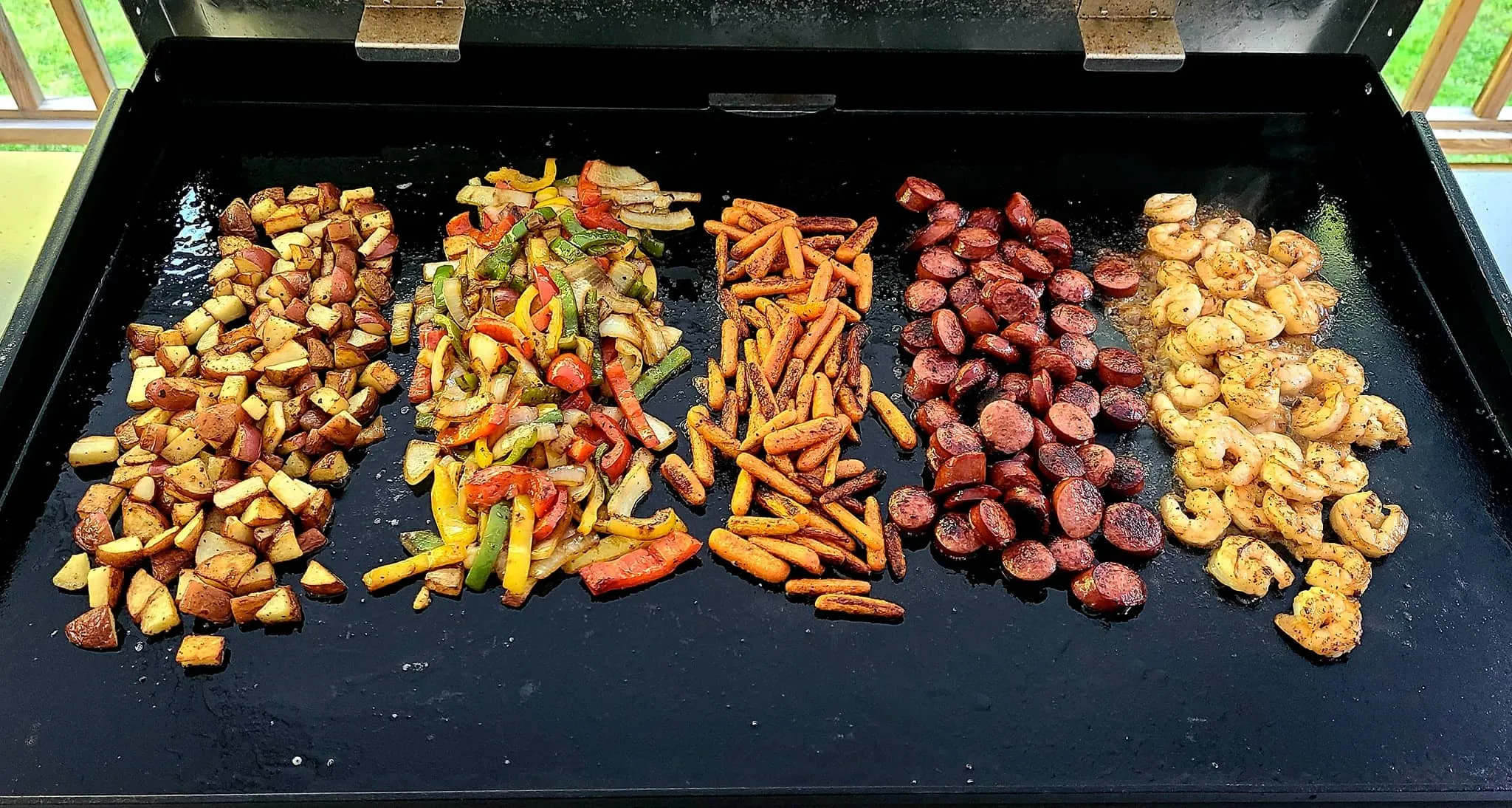
Here’s how a full breakfast comes together on a 4-burner 36” griddle:
- Left burner on medium-high (375-425°F): Hash browns
- Center-left on medium (350-375°F): Sausage patties and pancakes
- Center-right on medium (325-350°F): Bacon
- Right burner on low (300-325°F): Eggs (started last, after everything else is nearly done)
- Back edge (warm zone): Finished items holding while you plate
That’s a full breakfast for 6 people, all at once, on one surface. No grill can do that.
Want this worked out for your own menu? The griddle cook planner builds the zone layout and start-time schedule for any combination of dishes.
Try these on the Blackstone: Blackstone Pancakes · Smash Burgers · Blackstone Steak · Fried Rice
Shop Infrared Thermometer on Amazon Shop Instant-Read Meat Thermometer on AmazonFrequently Asked Questions
What temperature should a Blackstone griddle be for most cooking?
The 350-400°F range covers the majority of everyday griddle cooking: burgers, chicken, vegetables, sausage. Go lower for eggs (300-325°F) and bacon (325-350°F), higher (425-475°F) for smash burgers and fried rice.
How do I know when my Blackstone is hot enough?
Use an infrared thermometer for accuracy. The water drop test works as a rough check: water that beads and dances means you’re around 350°F. Water that pops and vanishes instantly means 400°F+.
Why are my pancakes burning on the outside but raw in the middle?
Your griddle is too hot. Pancakes need 350-375°F, high enough to set a golden crust but low enough to let the batter cook through before the outside burns. Lower the heat and wait for the surface to drop before your next batch.
Why is my steak not getting a good sear?
Either the surface isn’t hot enough (needs to be 425°F+ for a proper Maillard crust) or the steak is too wet. Pat the surface dry with a paper towel before it hits the griddle. Moisture steams the meat instead of searing it.
Can a Blackstone griddle reach 700°F?
Under ideal conditions with all burners on high, a Blackstone can exceed 650°F. But you should never cook at that temperature. It will burn food instantly and damage your seasoning. Reserve temperatures above 500°F for deep cleaning and re-seasoning only.
How do I hold food warm without overcooking it?
Set one burner to its lowest setting (200-250°F). The far edges of that zone will stay in the 200-225°F range, hot enough to keep food warm without continuing to cook it.
Should I oil the griddle or the food?
For most cooking, oil the griddle surface. For seafood, oil the food itself. It gives you more control and reduces sticking on delicate proteins.
What temperature should pork be cooked at on a Blackstone?
It depends on the cut. Pork chops go at 375-425°F (sear at 425°F, finish at 350°F), pork tenderloin at 350-400°F, thin-sliced pork like al pastor at 425-450°F, and fresh sausage links at 350-375°F. Pull whole cuts at 145°F internal; fresh sausage and ground pork need 160°F.
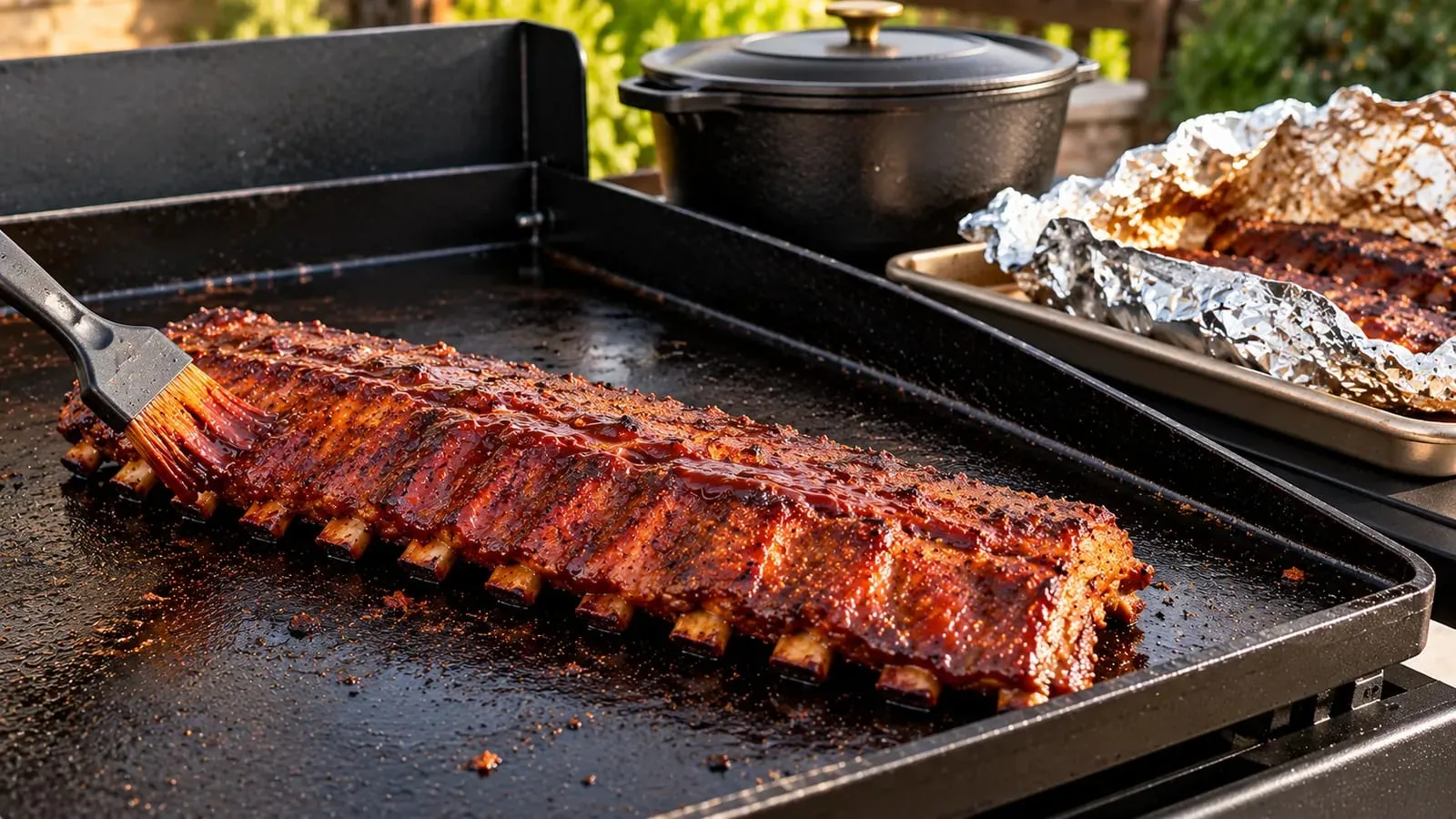
What Not to Cook on a Blackstone (and What to Do Instead)
What doesn't work on a Blackstone griddle: low-and-slow cuts, big roasts, anything that sits in liquid, and deep-fried food, plus how to split the cook so the griddle still does the part it's good at.
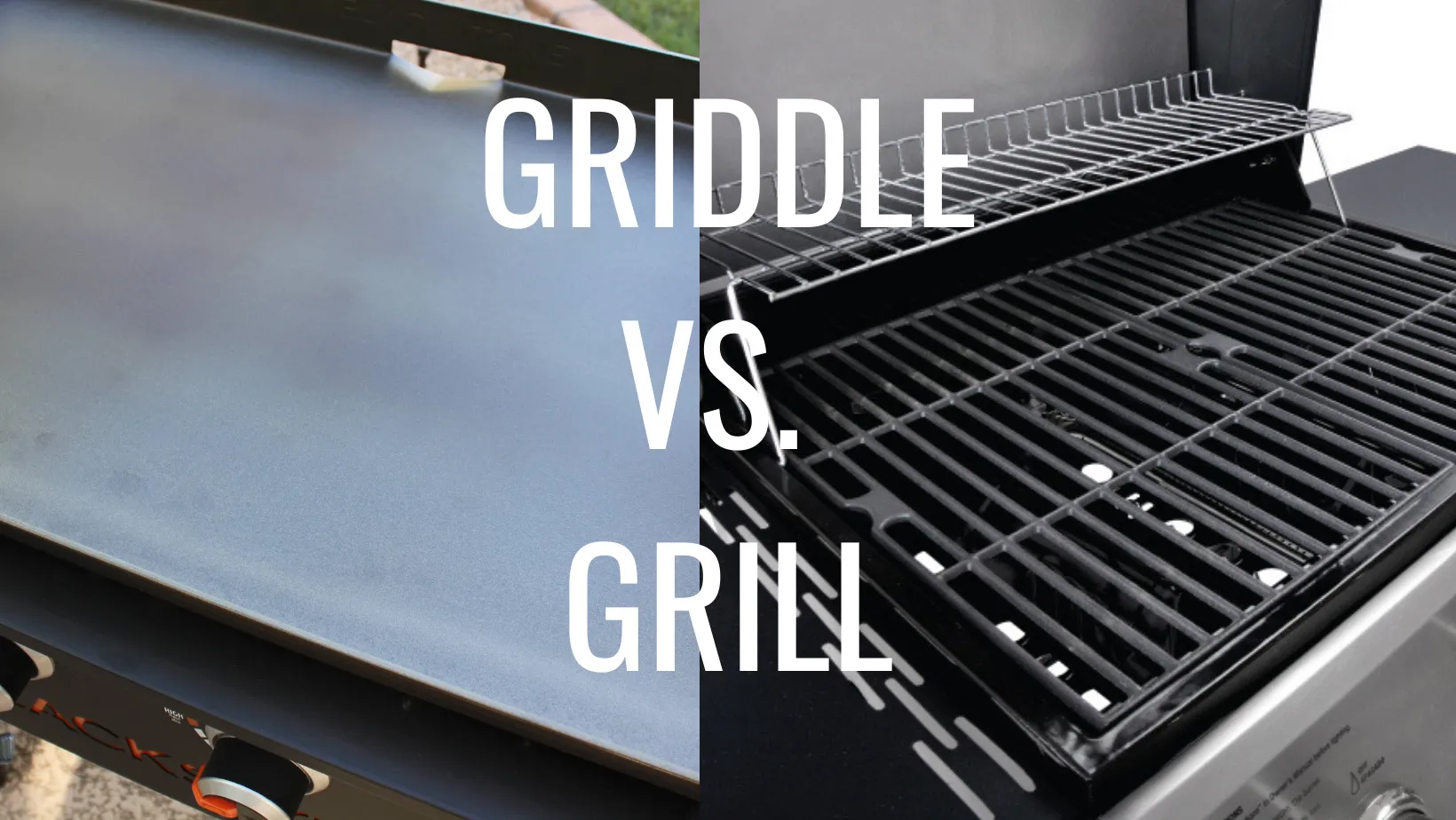
Griddle vs Grill: Which Should You Get?
Griddle vs grill: the real differences, which is healthier, whether a griddle is worth it if you already own a grill, and which wins for steaks and burgers.
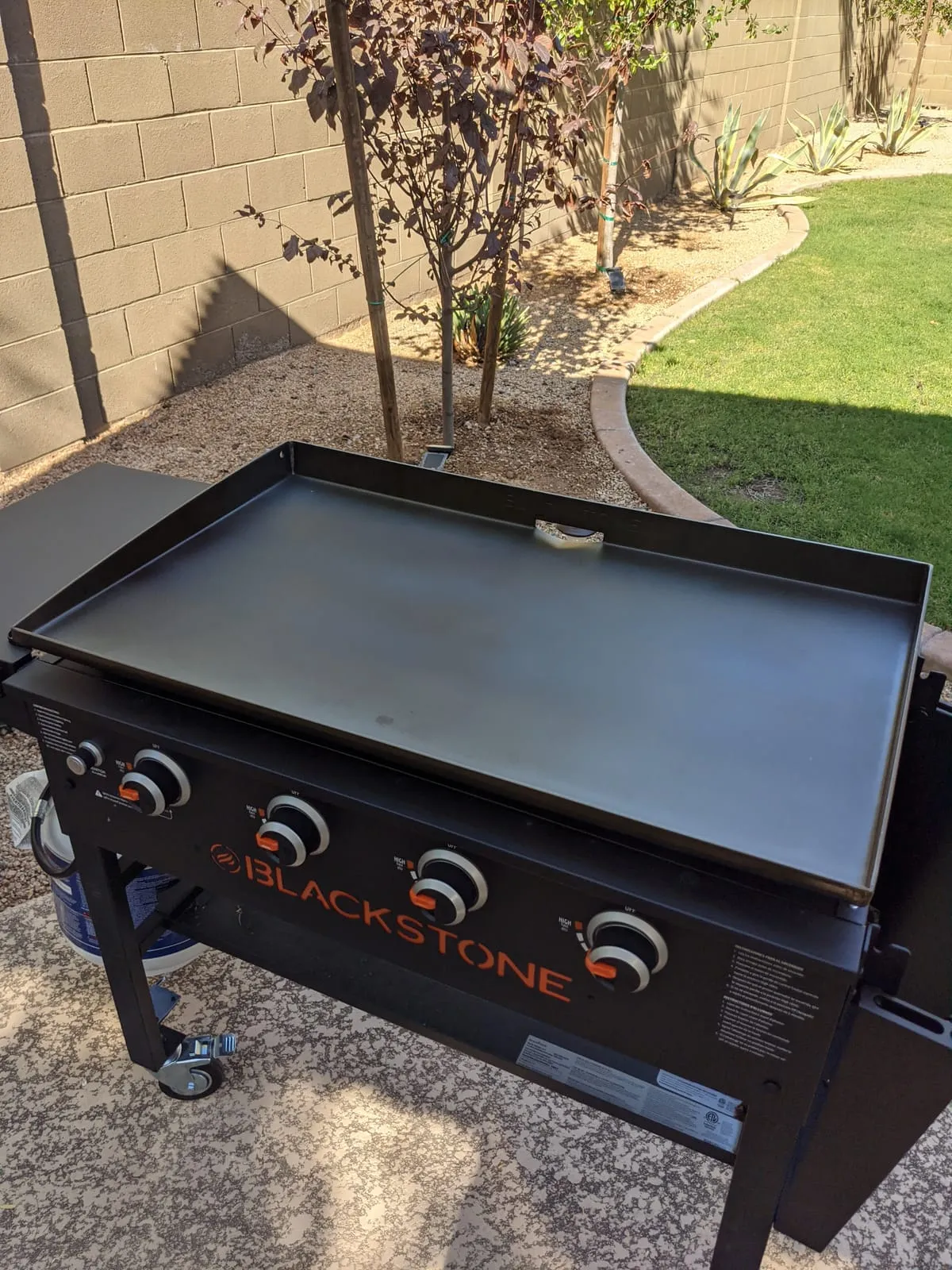
Why Is Everyone Selling Their Blackstone? An Honest Answer
Why is everyone selling their Blackstone? Mostly, they aren't. Here's the honest story, plus the real cons, lifespan, the Walmart price, and if it's worth it.